A pastel formal dress may look elegant and romantic, but light fabrics also require extra care after prom night. Many shoppers search for the best way to remove stains from a light lavender prom dress because delicate lavender fabrics can easily absorb makeup, food, sweat, perfume, and dirt. Unlike darker gowns that hide marks more easily, light lavender formalwear often reveals even small stains under bright lighting. Without proper cleaning methods, aggressive scrubbing or incorrect detergents may permanently damage satin, chiffon, tulle, or embellished fabrics. Knowing how to clean lavender formalwear safely helps preserve both color and fabric quality.
This guide from Lavena explores the safest and most effective techniques for lavender prom dress stain removal, including how to treat makeup stains, food spills, dirt marks, sweat discoloration, and oil based stains without damaging delicate fabrics. This article also explains how to clean a lavender prom dress, how different fabrics require different care methods, when professional dry cleaning is necessary, and how to protect formalwear for long term storage. Whether you own a satin gown, chiffon evening dress, or layered tulle ball gown, this guide helps you maintain elegant lavender formalwear with confidence and care.
Why Light Lavender Dresses Require Special Care
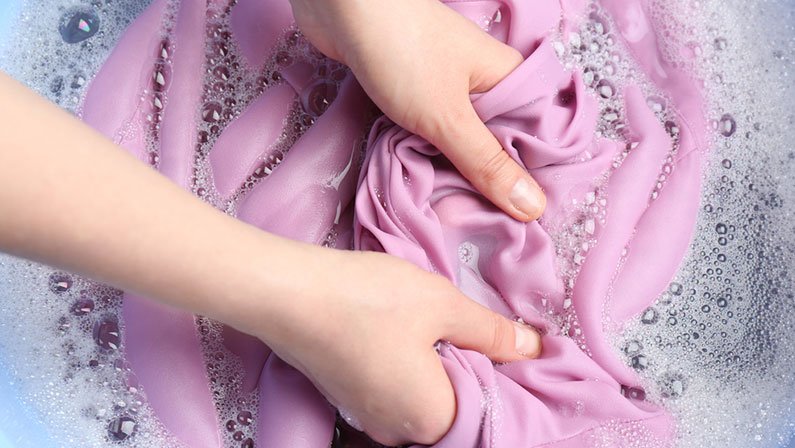
Pastel dresses are naturally more delicate when it comes to visible staining and fabric discoloration. Lavender formalwear combines soft color tones with luxury fabrics, meaning cleaning methods must remain gentle and controlled.
Understanding the best way to remove stains from a light lavender prom dress begins with recognizing why pastel formalwear reacts differently compared to darker garments.
How Pastel Fabrics Show Stains Easily
Light lavender fabrics reflect light softly, which creates elegance and femininity. However, this also means:
- Makeup transfers appear more visible
- Sweat marks develop faster visually
- Dirt accumulates along hems
- Oils absorb into fibers more easily
- Water spotting may become noticeable
Even small stains may stand out strongly against pale lavender shades.
This is especially common with:
- Satin gowns
- Chiffon dresses
- Tulle skirts
- Lightweight formal fabrics
Because prom dresses are often photographed under strong lighting, stain prevention and fast cleaning become especially important.
Differences Between Satin, Tulle, and Chiffon Cleaning
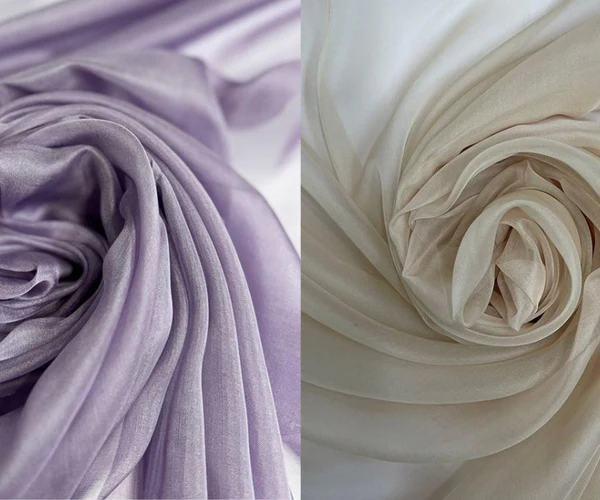
Different fabrics require completely different cleaning approaches.
Satin
Satin is smooth and luxurious but sensitive to:
- Water spotting
- Heat damage
- Harsh detergents
- Aggressive scrubbing
Chiffon
Chiffon is lightweight and delicate, meaning it may:
- Stretch easily
- Fray under pressure
- Snag during rubbing
Tulle
Tulle often traps:
- Dirt particles
- Dust
- Makeup residue
Layered tulle also requires careful drying to prevent distortion.
Understanding fabric composition is essential for proper prom dress fabric care.
Why Aggressive Cleaning Damages Formalwear
One of the biggest mistakes people make during lavender prom dress stain removal is treating formalwear like everyday clothing.
Aggressive cleaning methods may cause:
- Color fading
- Fabric weakening
- Thread pulling
- Permanent wrinkles
- Texture damage
Avoid:
- Strong bleach
- Hot water
- Hard brushing
- High heat dryers
- Heavy scrubbing
Gentle treatment always produces safer results for delicate gowns.
Protecting Delicate Lavender Fabric
The best cleaning strategy often begins before stains even occur.
Protective habits include:
- Applying perfume before dressing
- Allowing makeup to set fully
- Using garment shields
- Avoiding dirty outdoor surfaces
- Hanging dresses properly after wear
Lavena recommends proactive fabric care because prevention often preserves formalwear more effectively than deep stain removal later.
Best Way to Remove Stains from a Light Lavender Prom Dress Safely
Fast response and gentle treatment are the most important parts of safe stain removal. The longer stains remain untreated, the more likely they are to penetrate delicate fibers permanently.
Act Quickly Before Stains Set
Fresh stains are significantly easier to remove than dried stains.
As soon as staining occurs:
- Blot excess material gently
- Avoid pressing stains deeper
- Use cool water immediately if possible
- Prevent friction against surrounding fabric
Quick action often prevents permanent discoloration.
Blotting vs Rubbing
Many people instinctively rub stains, but this usually worsens fabric damage.
Why Blotting Works Better
Blotting:
- Lifts stain particles gently
- Protects fibers
- Prevents spreading
- Reduces fabric distortion
Why Rubbing Causes Problems
Rubbing may:
- Push stains deeper
- Stretch chiffon
- Damage satin shine
- Distort embroidery
Always use soft cloths or microfiber towels when blotting formalwear.
Testing Cleaning Products First
Before applying any product:
- Test inside the hem
- Use hidden interior fabric
- Check for discoloration
- Observe texture changes
This step is critical for:
- Satin gowns
- Dyed fabrics
- Sequined dresses
- Embellished gowns
Even gentle detergents may react differently depending on fabric dye composition.
Using Cool Water Correctly
Cool water remains safest for cleaning light colored prom dresses because it minimizes:
- Color bleeding
- Fabric shrinkage
- Satin water marks
- Fiber stress
Hot water should almost always be avoided on lavender formalwear.
Cool water also helps preserve:
- Fabric softness
- Dress structure
- Pastel color integrity
Choosing Gentle Detergents
The safest detergents for formalwear are:
- Fragrance free
- Dye free
- Delicate fabric formulas
- Silk safe detergents
Avoid:
- Bleach products
- Harsh stain removers
- Heavy enzymes
- Strong whitening chemicals
Lavena recommends mild detergents specifically designed for delicate garments to protect both color and fabric longevity.
How to Remove Common Prom Dress Stains
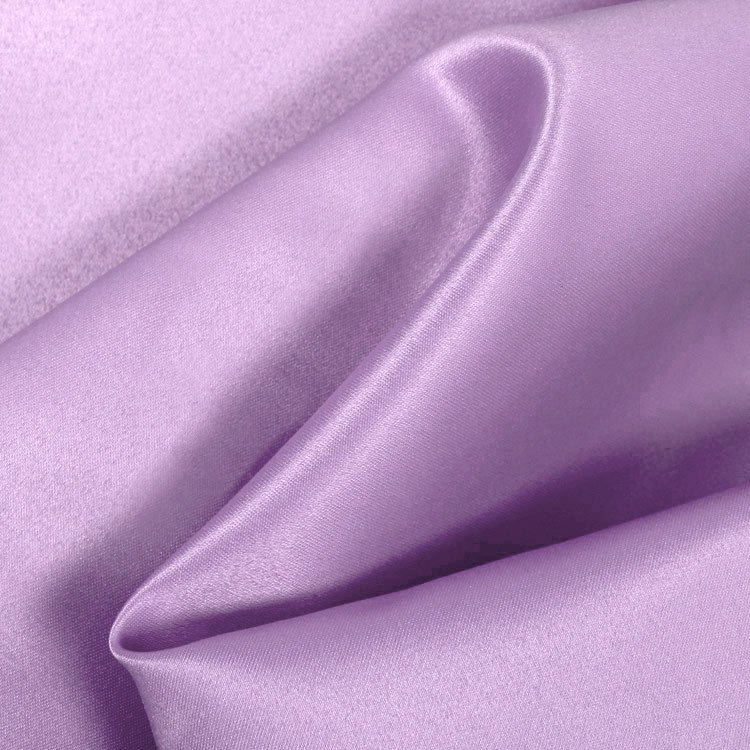
Different stains require different treatment methods. Understanding stain types helps avoid unnecessary fabric damage while improving cleaning effectiveness.
Remove Makeup Stains from Prom Dress
Foundation and lipstick are among the most common prom dress stains.
For Powder Makeup
- Shake off excess powder gently
- Use microfiber cloth
- Dab with cool water
For Liquid Foundation
- Blot immediately
- Use diluted gentle detergent
- Pat carefully
- Rinse lightly with cool water
Oil based makeup should never be rubbed aggressively into chiffon or satin.
Removing Food and Drink Stains
Food stains become especially dangerous when they contain:
- Oils
- Artificial dyes
- Sugars
- Acids
Safe Cleaning Process
- Blot immediately
- Use cool water
- Apply mild soap sparingly
- Pat dry gently
Dark colored beverages should receive immediate attention because pastel fabrics absorb pigments quickly.
Sweat and Deodorant Marks
Sweat and deodorant stains often appear around:
- Underarms
- Corset edges
- Straps
- Bodice lining
To clean:
- Mix mild detergent with cool water
- Dab gently
- Avoid soaking heavily
- Air dry fully
Harsh scrubbing may damage seams and embellishments.
Removing Dirt from Dress Hems
Prom dresses frequently collect dirt near:
- Floor length hems
- Tulle layers
- Train edges
The safest method includes:
- Shaking loose debris first
- Spot cleaning gradually
- Using soft cloths only
- Avoiding twisting or wringing fabric
This is especially important for layered gowns.
Perfume and Oil Based Stains
Perfume may discolor delicate lavender fabrics over time due to alcohol content.
Oil based stains should:
- Be blotted immediately
- Receive minimal detergent
- Avoid direct heat
Heat may permanently set oils into fabric fibers.
Lavena encourages careful stain treatment because delicate formalwear often requires patience rather than aggressive cleaning techniques.
Cleaning Different Lavender Dress Fabrics Properly
Fabric composition determines how safely a gown can be cleaned at home. Some fabrics tolerate gentle hand washing, while others require professional care immediately.
Understanding how to wash delicate prom dresses correctly helps preserve both appearance and structural integrity.
Stain Removal for Satin Prom Dresses
Stain removal for satin prom dresses requires exceptional caution because satin easily develops:
- Water spotting
- Texture distortion
- Shine damage
- Wrinkles
Safe satin cleaning tips:
- Use cool water only
- Dab rather than scrub
- Avoid soaking
- Dry flat carefully
Satin should never be twisted or wrung.
Clean Chiffon Prom Dress Safely
To clean chiffon prom dress safely, focus on minimal friction.
Best practices include:
- Gentle spot treatment
- Soft cloth blotting
- Lightweight detergent
- Air drying naturally
Chiffon fibers stretch easily when wet, so support the fabric carefully during cleaning.
How to Clean Lavender Tulle Dresses
Tulle requires patience because multiple layers trap dirt and dust.
Cleaning tips:
- Shake debris carefully
- Spot clean individual layers
- Avoid excessive water saturation
- Hang carefully while drying
Layered tulle gowns should dry naturally to preserve shape.
Sequined and Embellished Dress Care
Sequined dresses often require professional cleaning because embellishments may loosen during washing.
Risks include:
- Glue weakening
- Bead detachment
- Thread damage
- Sequin scratching
If spot cleaning at home:
- Avoid direct rubbing on embellishments
- Clean surrounding fabric only
- Keep water exposure minimal
Corset and Structured Dress Cleaning
Corset dresses contain internal structure that may warp during incorrect washing.
These gowns often include:
- Boning
- Heavy lining
- Structured cups
- Reinforced seams
Excessive soaking may distort the silhouette permanently.
Lavena designs formalwear using premium materials that maintain elegance longer when cared for properly using delicate garment cleaning techniques.
When to Hand Wash vs Dry Clean a Lavender Prom Dress
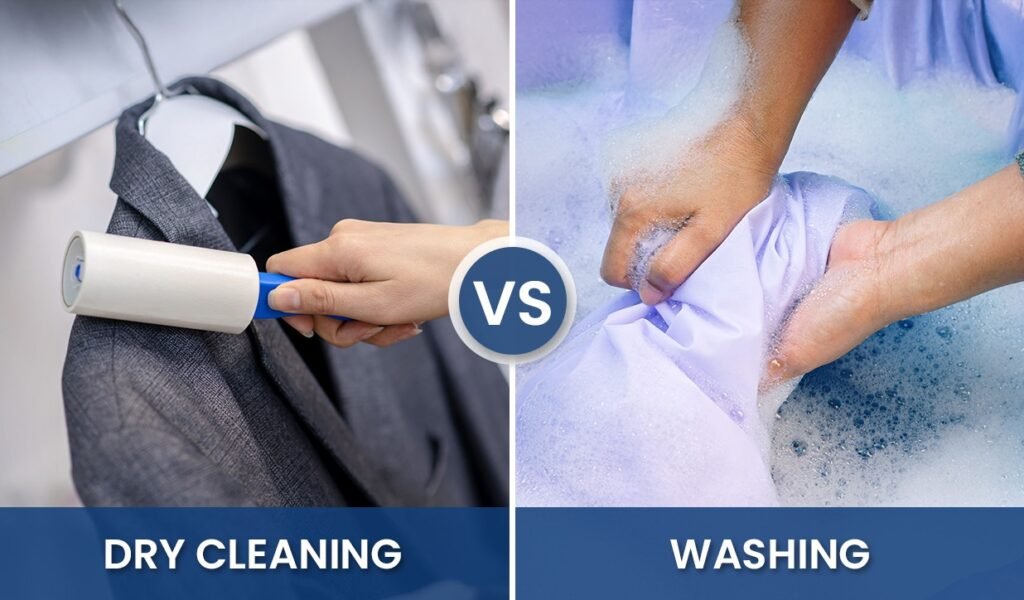
Not every prom dress should be cleaned the same way. Some lavender gowns can safely tolerate gentle hand washing, while others require professional care to avoid damaging delicate fabrics, embellishments, or internal structure.
Understanding when to hand wash and when to seek dry cleaning is essential for proper lavender prom dress stain removal and long term garment preservation.
Signs a Dress Needs Professional Cleaning
Professional dry cleaning is usually the safest choice for gowns with:
- Heavy beading
- Sequins
- Corset boning
- Structured bodices
- Delicate embroidery
- Multiple fabric layers
- Luxury satin construction
A professional cleaner can help prevent:
- Fabric distortion
- Shrinkage
- Embellishment loosening
- Color fading
- Structural damage
If the stain covers a large portion of the dress or involves oil based substances, dry cleaning is often safer than attempting aggressive home treatment.
How to Hand Wash Delicate Prom Dresses
For lighter stains and simpler gowns, careful hand washing may work safely.
Safe Hand Washing Steps
- Fill a clean basin with cool water
- Add mild delicate fabric detergent
- Submerge gently without twisting
- Lightly move fabric through water
- Rinse carefully with cool water
- Press excess moisture with towel
- Air dry naturally
Never:
- Wring fabric
- Stretch wet chiffon
- Twist satin
- Use hot water
This method works best for lightweight chiffon and minimally structured dresses.
Dry Cleaning Pros and Cons
Professional cleaning offers several advantages.
Benefits
- Expert stain treatment
- Safer fabric handling
- Better structure preservation
- Specialized formalwear care
Potential Risks
- Harsh chemicals at low quality cleaners
- Incorrect pressing temperatures
- Delicate embellishment stress
This is why choosing an experienced formalwear cleaner matters.
Avoiding Home Cleaning Mistakes
Many formal dresses become damaged from incorrect at home cleaning rather than the original stain itself.
Common mistakes include:
- Using bleach
- Scrubbing aggressively
- Drying under heat
- Soaking too long
- Mixing cleaning chemicals
Gentle handling is always safer for cleaning light colored prom dresses.
Protecting Embellishments During Cleaning
Beading and embellishments require extra care.
Helpful precautions include:
- Turning dresses inside out
- Avoiding direct friction
- Keeping embellished areas dry when possible
- Using soft towels only
Lavena recommends careful spot treatment first before attempting full dress cleaning on embellished gowns.
Mistakes That Ruin Light Colored Prom Dresses
Light lavender fabrics can become permanently damaged from improper cleaning methods. Many common household cleaning habits that work for everyday clothing are unsafe for delicate formalwear.
Using Hot Water
Hot water is one of the fastest ways to damage delicate prom dresses.
Risks include:
- Color fading
- Satin texture distortion
- Fabric shrinkage
- Embellishment loosening
- Permanent wrinkles
Cool water remains the safest option for nearly all lavender formalwear.
Over Scrubbing Delicate Fabrics
Aggressive scrubbing weakens fibers and may permanently alter fabric texture.
Especially vulnerable fabrics include:
- Chiffon
- Tulle
- Satin
- Mesh overlays
Signs of scrubbing damage:
- Fraying
- Surface fuzziness
- Shine disruption
- Thread pulling
Blotting always works more safely than rubbing.
Using Bleach on Lavender Fabric
Bleach should never be used on pastel lavender formalwear.
Even diluted bleach may cause:
- Uneven discoloration
- Yellowing
- Fabric weakening
- Patchy fading
Because lavender contains delicate dye pigments, bleach often destroys color balance permanently.
Drying Dresses Incorrectly
Improper drying may create:
- Wrinkles
- Fabric stretching
- Water marks
- Shape distortion
Avoid:
- Direct sunlight
- High heat dryers
- Hanging heavy wet gowns incorrectly
Instead:
- Lay lightweight dresses flat
- Use padded hangers
- Allow natural air drying
Ignoring Stains Too Long
One of the biggest garment care mistakes is delaying treatment.
Old stains become:
- Harder to remove
- More deeply absorbed
- More likely to discolor fabric
Fast stain response dramatically improves cleaning success rates.
Lavena encourages immediate gentle treatment because early care usually protects delicate formalwear most effectively.
How to Prevent Future Stains on Lavender Formal Dresses
Prevention is often easier than stain removal. Careful preparation before prom night helps preserve delicate lavender fabrics while reducing cleaning stress afterward.
Using Garment Shields
Garment shields help protect:
- Underarm areas
- Corset lining
- Strap interiors
They reduce:
- Sweat transfer
- Deodorant staining
- Fabric discoloration
This is especially useful for satin dresses and fitted bodices.
Proper Makeup Application Timing
One of the easiest ways to prevent stains is applying makeup before putting on the dress.
Helpful habits include:
- Finishing foundation first
- Using setting spray
- Wearing a robe during makeup
- Covering the neckline while dressing
Foundation transfer is one of the most common causes of remove makeup stains from prom dress searches.
Safe Perfume Placement
Perfume may stain or discolor lavender fabric because of alcohol and oils.
Safer perfume placement includes:
- Wrists
- Behind knees
- Hairbrush misting
- Skin application before dressing
Avoid spraying directly onto:
- Satin
- Chiffon
- Tulle
- Corset bodices
Careful Eating and Drinking Tips
Prom environments often involve food and beverages, increasing stain risk.
Helpful habits include:
- Holding drinks away from the dress
- Using napkins carefully
- Sitting thoughtfully with long skirts
- Avoiding crowded food areas
This is especially important for floor length pastel gowns.
Travel Protection for Prom Dresses
Transportation may expose dresses to:
- Dirt
- Wrinkles
- Moisture
- Makeup transfer
Protective strategies include:
- Using garment bags
- Hanging dresses properly
- Keeping gowns elevated in vehicles
- Avoiding folding when possible
Lavena recommends breathable garment bags to preserve dress quality before and after formal events.
How to Store a Lavender Prom Dress After Cleaning
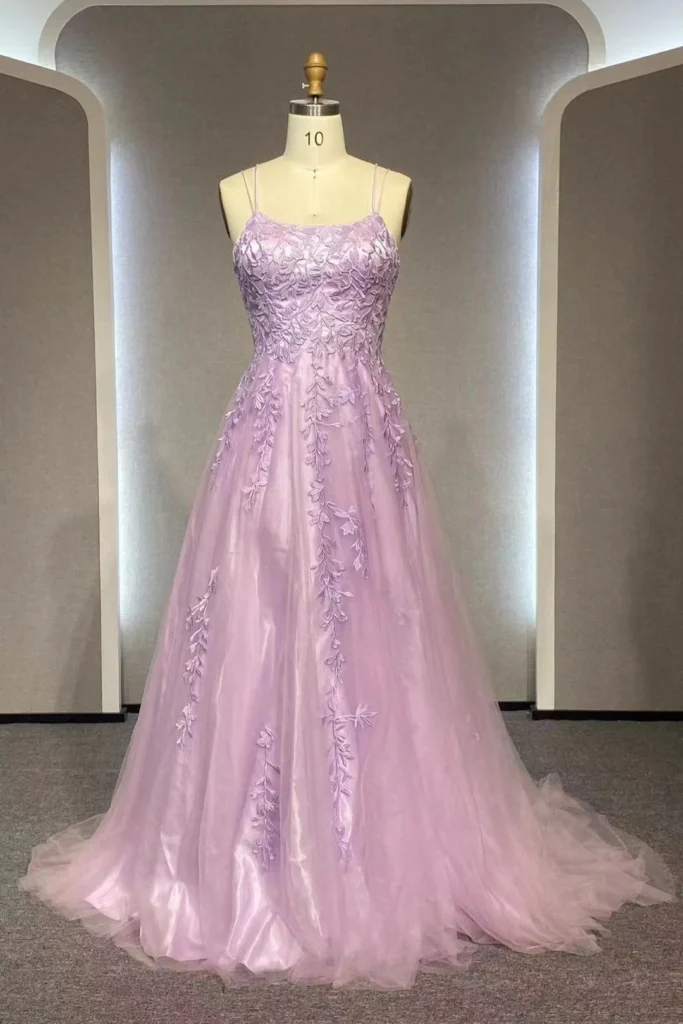
Proper storage is essential for maintaining the condition of delicate lavender formalwear long after prom night ends.
Understanding how to protect lavender fabric helps prevent:
- Yellowing
- Wrinkles
- Moisture damage
- Fabric weakening
Breathable Garment Bags
Plastic covers may trap moisture and create long term damage.
Instead, use:
- Cotton garment bags
- Breathable fabric covers
- Acid free storage materials
Breathability helps preserve fabric freshness.
Avoiding Humidity and Sunlight
Environmental exposure strongly affects delicate gowns.
Avoid storing dresses:
- Near windows
- In humid closets
- In basements
- Near heat sources
Excess humidity may cause:
- Mildew
- Odor retention
- Fabric deterioration
Sunlight may fade pastel lavender tones over time.
Using Acid Free Tissue Paper
Acid free tissue paper helps:
- Maintain garment shape
- Reduce wrinkles
- Prevent creasing
- Protect embellishments
Place tissue between:
- Folded fabric layers
- Bodice interiors
- Sleeve sections
This is especially helpful for tulle and satin dresses.
Preventing Wrinkles and Yellowing
Long term storage mistakes often create permanent fabric aging.
Helpful prevention methods include:
- Padded hangers
- Minimal folding
- Climate controlled storage
- Periodic dress inspection
Luxury gowns benefit from occasional airing to maintain freshness.
Long Term Dress Preservation
Many shoppers keep prom dresses for:
- Sentimental memories
- Photoshoots
- Future formal events
- Keepsake collections
Preservation quality depends heavily on proper cleaning and storage immediately after use.
Lavena encourages thoughtful garment care because premium formalwear can remain beautiful for years when maintained correctly.
Explore Elegant Lavender Dresses at Lavena
Beautiful formalwear deserves thoughtful care, and high quality fabric construction plays a major role in how well a gown withstands cleaning and long term preservation. Delicate pastel dresses require craftsmanship that balances elegance with durability, especially when dealing with stains, storage, and repeated handling.
Lavena specializes in premium lavender formalwear designed with luxurious fabrics, elegant silhouettes, and carefully structured construction that supports both beauty and longevity. Whether you are searching for flowing chiffon gowns, satin evening dresses, layered tulle ball gowns, or structured corset silhouettes, Lavena collections are crafted to maintain their elegance through proper garment care.
At Lavena, shoppers can explore:
- Lavender satin prom dresses
- Chiffon lavender evening gowns
- Layered tulle formalwear
- Corset lavender gowns
- Minimalist pastel dresses
- Glitter and embellished designs
- Romantic ball gowns
- Modern formal silhouettes
Every gown is designed with attention to:
- Premium fabric quality
- Elegant structure
- Comfortable wearability
- Delicate detail preservation
- Long term garment durability
Lavena understands that prom dresses are more than single event outfits. Many shoppers wish to preserve their gowns for future memories, photography, or sentimental value. That is why quality materials and thoughtful craftsmanship remain essential parts of every collection.
From stain prevention to long term storage, proper care begins with choosing dresses designed to maintain beauty over time.
Conclusion
Understanding the best way to remove stains from a light lavender prom dress is essential for preserving the beauty, softness, and elegance of delicate formalwear. Because pastel fabrics show stains more easily and luxury materials require careful handling, gentle cleaning methods always provide safer results than aggressive stain treatment.
Successful lavender prom dress stain removal begins with acting quickly, blotting instead of rubbing, using cool water, and choosing mild detergents designed for delicate fabrics. Satin, chiffon, tulle, and embellished gowns each require different cleaning approaches to prevent texture damage, fading, or structural distortion.
Preventative care also plays a major role in protecting lavender dresses. Thoughtful makeup application, careful perfume placement, proper garment storage, and breathable protection all help preserve formalwear long after prom night ends.
If you are searching for elegant lavender gowns crafted with premium materials and timeless design, explore the latest collections at Lavena. From luxurious satin silhouettes to romantic chiffon and tulle formalwear, Lavena offers beautifully designed dresses that combine sophistication, femininity, and lasting quality for every unforgettable occasion.


